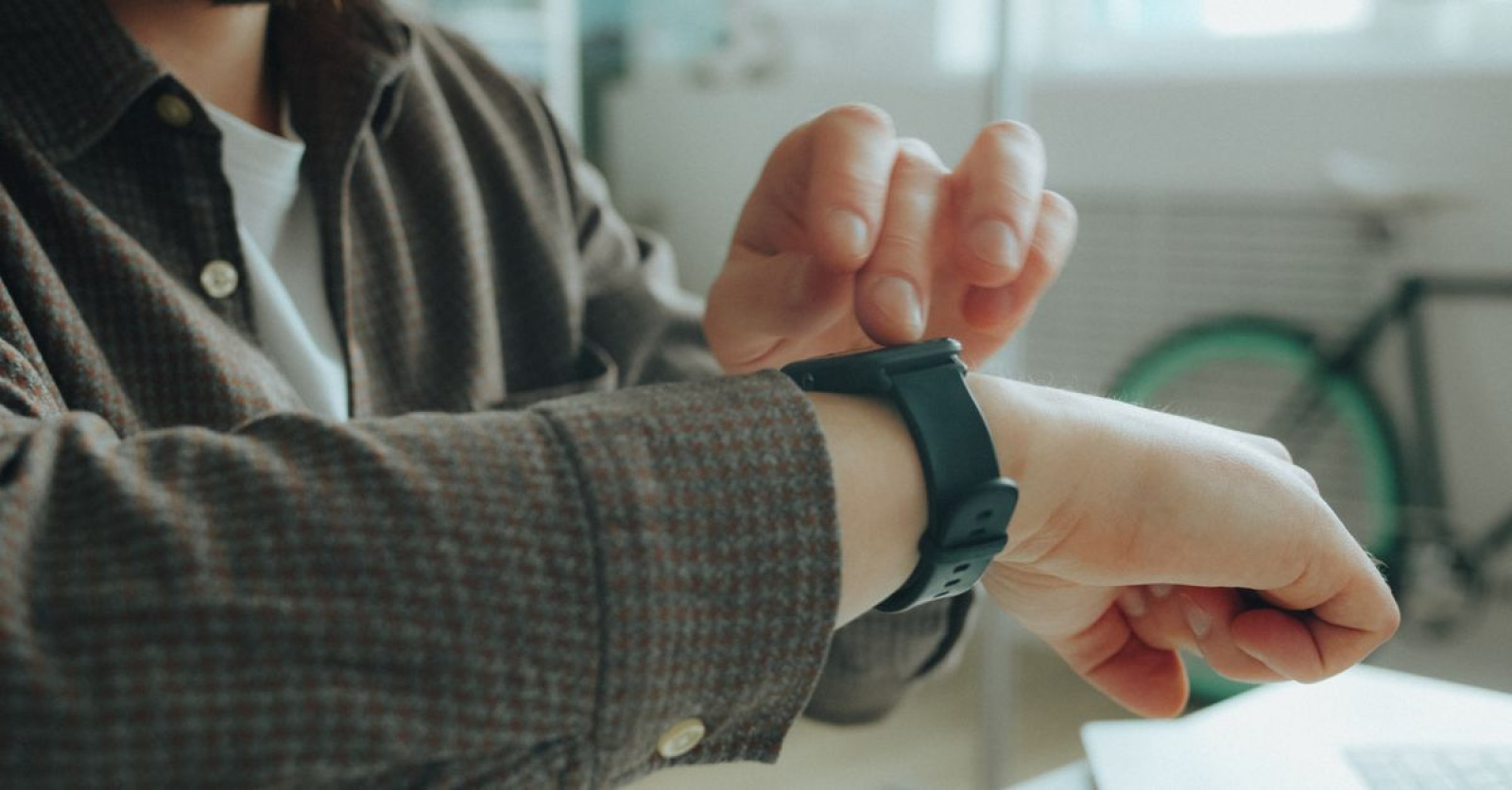
Google has launched the Fitbit Edge for $179.99. The tracker adds a larger display, built-in GPS, an altimeter, faster charging and Gemini-based coaching.
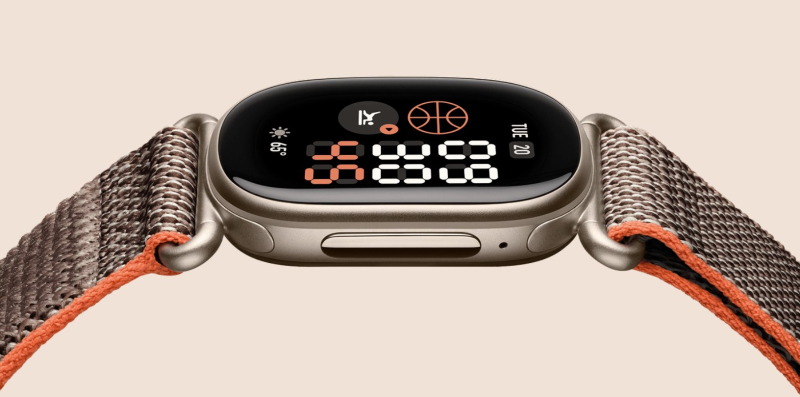
Fitbit Edge specifications
- Display: 1.34-inch AMOLED/Hybrid OLED, Always-On Display
- Battery life: up to 7 days
- Battery life with AOD: around 2 days
- Charging: 0–100% in about 90 minutes
- GPS: built-in
- Water resistance: 5 ATM
- Protection: IP68
- Controls: touchscreen + physical side button
- Case: recycled aluminium
- Health tracking: heart rate, SpO2, HRV, sleep, skin temperature, ECG
- Coaching: Gemini-powered Google Health Coach
- Price: $179.99
The original specification list also mentions a 65 mAh battery, Ambiq AP5 MCU, 64 MB storage and Bluetooth 5.4. Google has not publicly confirmed these details, so they should be treated as unverified.
What is new
The main changes are hardware rather than new health sensors.
Fitbit Edge gets:
- a larger display;
- improved standalone GPS;
- an altimeter;
- faster charging;
- a physical side button;
- a replaceable battery;
- Gemini-based workout coaching.
Google claims GPS accuracy is up to 40% better than on previous Fitbit trackers.
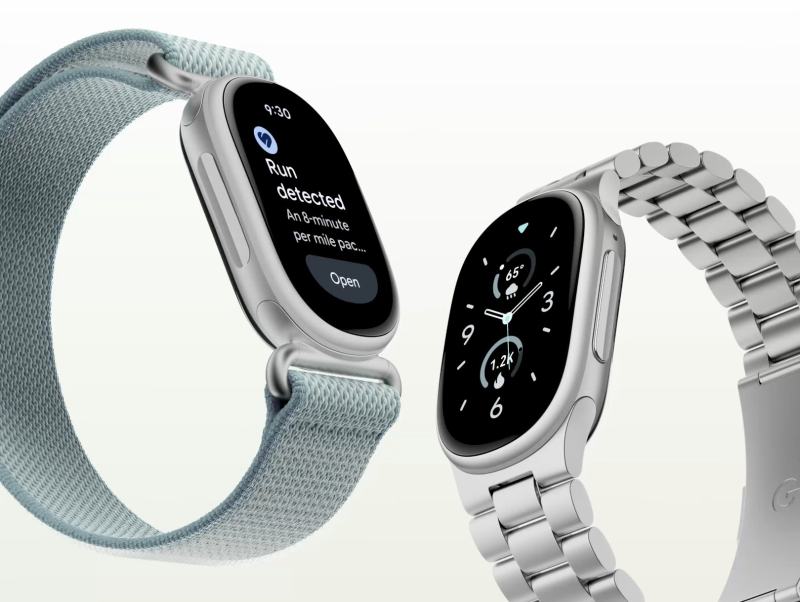
Fitbit Edge vs Fitbit Charge 6
Charge 6 is the closest previous Fitbit model with a display and built-in GPS.
| Feature | Fitbit Edge | Fitbit Charge 6 |
| Display | 1.34-inch OLED | AMOLED |
| Always-On Display | Yes | Yes |
| Battery | Up to 7 days | Up to 7 days |
| Charging | ~90 min | ~2 hours |
| Built-in GPS | Yes | Yes |
| Altimeter | Yes | No |
| ECG | Yes | Yes |
| SpO2 | Yes | Yes |
| Water resistance | 5 ATM | 5 ATM |
| Replaceable battery | Yes | No |
| NFC / Google Wallet | No | Yes |
| Launch price | $179.99 | $159.95 |
The biggest upgrades are the larger display, altimeter, improved GPS, faster charging and replaceable battery.
The main downgrade is the lack of NFC and Google Wallet, which are available on Charge 6.
Fitbit Edge vs Fitbit Air
Fitbit Air is a simpler, screenless tracker.
| Feature | Fitbit Edge | Fitbit Air |
| Display | Yes | No |
| Built-in GPS | Yes | No |
| Altimeter | Yes | No |
| Workout controls | Yes | No |
| Health tracking | Yes | Yes |
| Gemini coaching | Yes | Yes |
| Price | $179.99 | $99.99 |
Fitbit Air is designed mainly for passive health and sleep tracking. Fitbit Edge is better suited to running, cycling, hiking and other workouts where a screen and standalone GPS are useful.
Health and fitness features
Fitbit Edge tracks:
- heart rate;
- blood oxygen;
- HRV;
- sleep;
- skin temperature;
- ECG;
- workouts and activity.
It supports more than 50 manually selectable exercise modes and automatic activity detection. The main difference is not the number of health metrics, but how much fitness data can be accessed directly from the wrist.
Gemini coaching
Fitbit Edge works with Google's Gemini-powered Health Coach. It can use sleep, readiness, previous workouts and fitness goals to generate personalised recommendations and adjust training guidance. Some advanced coaching features require Google Health Premium.
Battery and charging
Google rates Fitbit Edge for up to 7 days of use. With the Always-On Display enabled, battery life drops to roughly 2 days. A full charge takes around 90 minutes, compared with about two hours for Charge 6.
Verdict
Fitbit Edge is mainly a hardware upgrade over Charge 6 rather than a major expansion of Fitbit's health-tracking capabilities.
The strongest improvements are:
- better GPS;
- larger display;
- altimeter;
- faster charging;
- replaceable battery.
At $179.99, it makes more sense for users who want a dedicated fitness tracker with a screen and GPS. Fitbit Air remains the cheaper option for users who mainly want background health and sleep tracking.